Polar Night
A deliberately cold nighttime look for footage already in Rec.709: deep midnight navy shadows, chilled sapphire stage ambiance, and cool-leaning skin tones that hold a winter-night mood on purpose. 65-point lattice, Rec.709 in and Rec.709 out.
Uploaded by  Leo @leo
· 41 downloads · ♥ saves
· Report
Your look is queued. Follow @festivalluts so you catch your tag if selected for our Friday Creator Spotlight.
See the Grade Live
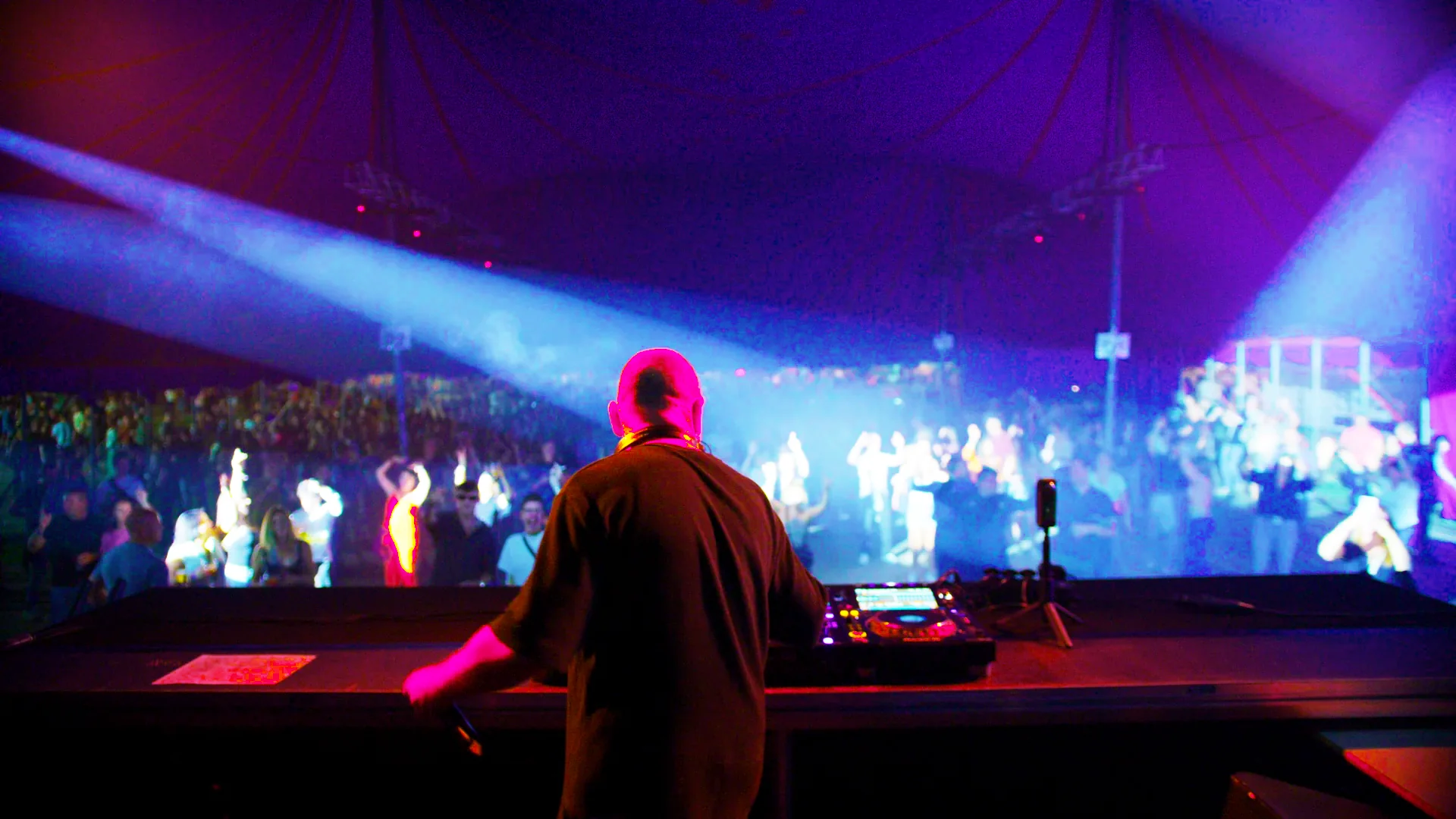
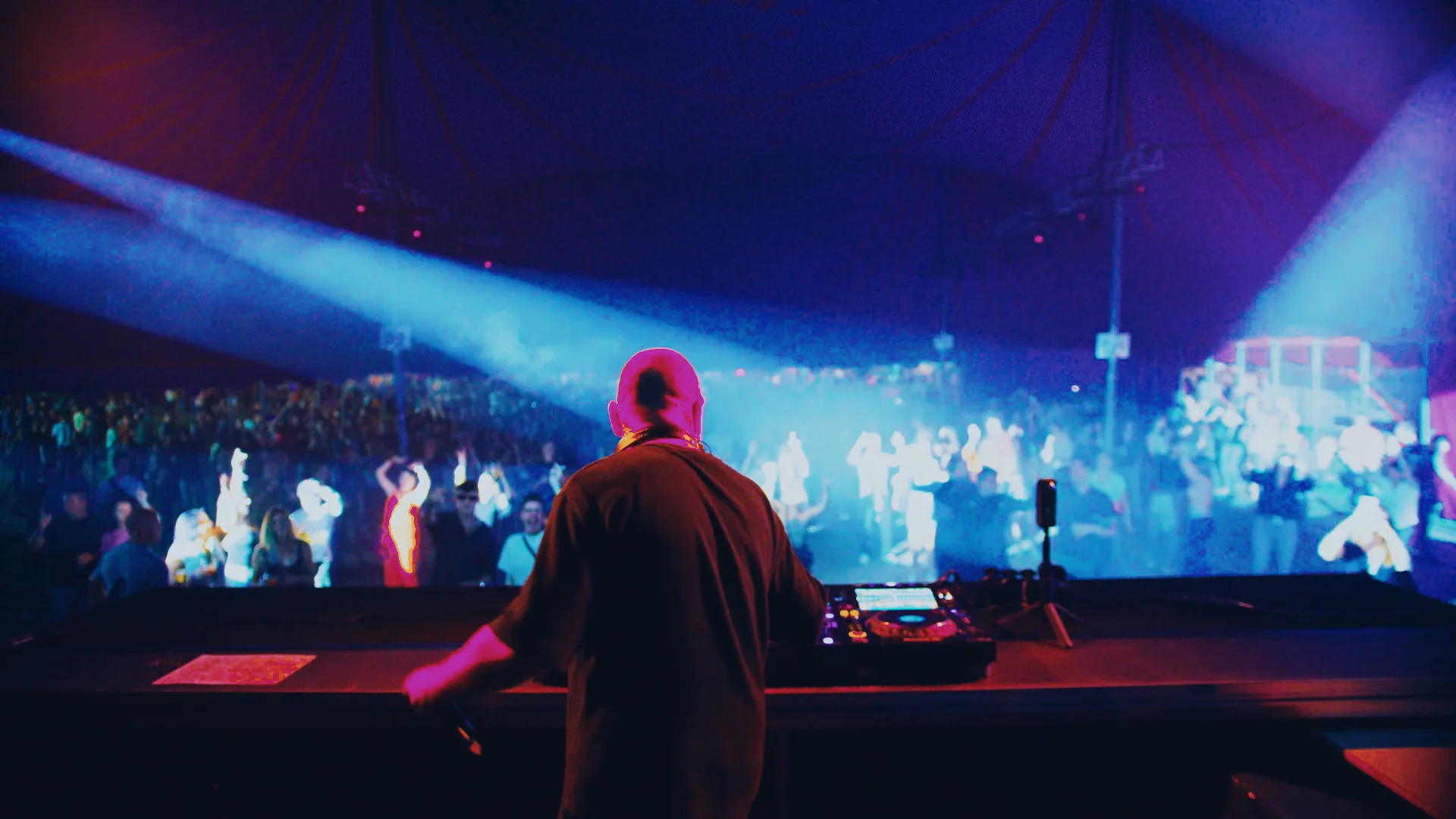
Drag the slider to compare ungraded and graded footage, against the camera’s log or against the same frame in Rec.709. Reference frames are Log3G10 stills from live event footage.
Reference stills · RED KOMODO-X
Audition it on RED footage in the LUT Optimizer →
Try it on your footage
Drop in a still and see this LUT on your own frame. Your image stays in your browser — nothing is uploaded.
Field notes
What it does
Polar Night captures the serene, mysterious stillness of sub-zero night performances. Harsh ambient washes are tamed into deep midnight navy and sapphire tones, establishing heavy contrast while anchoring skin tones in rich, healthy bronze tones so performers stand out cleanly from freezing backgrounds. Deep blacks carry a rich obsidian-blue tint rather than empty hollow darkness.
Where it works
- Cold outdoor night sets, winter raves, and night-time warehouse events
- Laser shows dominated by cool white, cyan, and blue beam structures
- Dramatic festival aftermovie montages emphasizing nocturnal energy
- Dark underground stages where deep contrast and mystery are required
How to use it
Apply directly after Rec.709 conversion. Works exceptionally well on footage with strong backlighting or edge lighting, where the cold rim separates subjects from the dark background. For high-key stages, ensure exposure does not clip prior to entering the look.
On festival footage
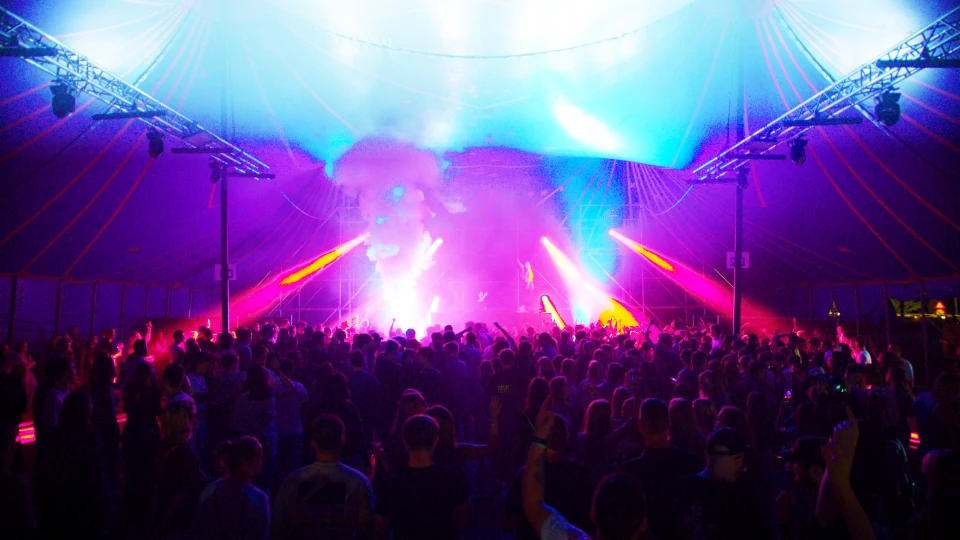
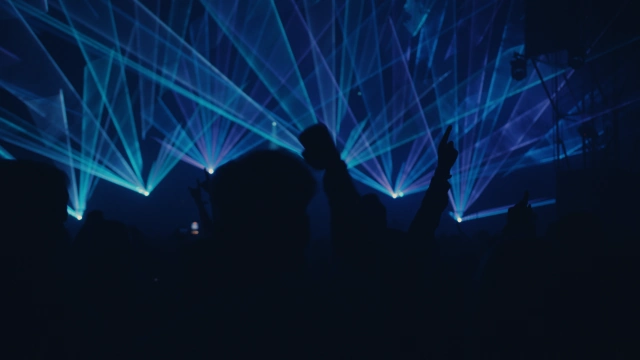
Polar Night on a real festival clip: chilled night stage under cold blue spotlights and laser beams. Drag the slider to compare the clip in Rec.709 with the look applied.
What this LUT does
Measured from the file itself: it leaves midtone contrast close to where it found it; holds saturation roughly steady; lifts blacks to 5 IRE, so shadows sit milky rather than crushed; leans cool shadows, cool midtones, cool highlights.
| Lattice | 65×65×65 (274,625 points) |
|---|---|
| Midtone contrast | +8% against the input |
| Saturation | +1% on average across the primaries and secondaries |
| Black point | 5 IRE |
| Mid gray out | 47 IRE |
| Neutral cast | shadows cool, midtones cool, highlights cool |
| Highlight clipping | none in the probes tested |
How this was measured: a 21-step neutral ramp and nine saturated probes are pushed through the lattice and compared with what went in. Contrast is the slope between 35% and 65% input; saturation is the mean change in distance from the gray axis; the cast is the direction a neutral input comes out at three heights. Rec.709 luma throughout — the same coefficients the previewer uses, so these numbers describe the image in the slider above.
Creator
Leo  StaffOfficial FestivalLUTs staff. Only the people who run this site carry this badge. @leo
Master Colorist & Onsite DIT
On FestivalLUTs since November 2026
Tags
Community
Graded something with this look? Share a frame and say what you shot on, or ask the people who used it.
No comments yet. Start it off.
More like this
Other dark & moody LUTs and packs
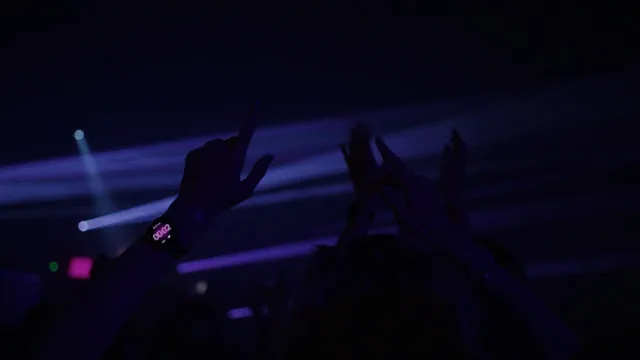
Laser Storm — Sapphire Tamer
by @leo
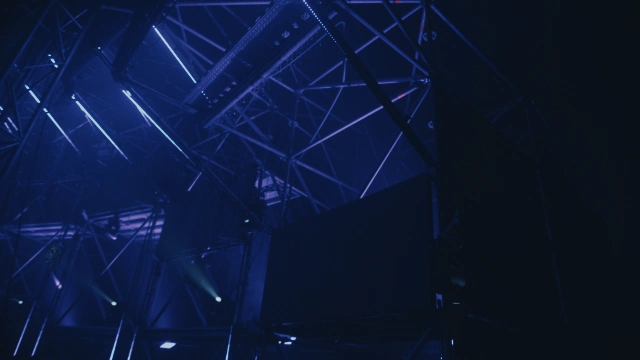
Titanium Rig
by @leo
Velvet Encore
by @leo
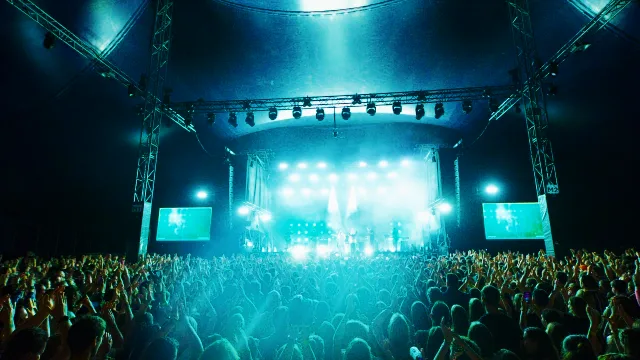
Midnight Tent Slate
by @eric
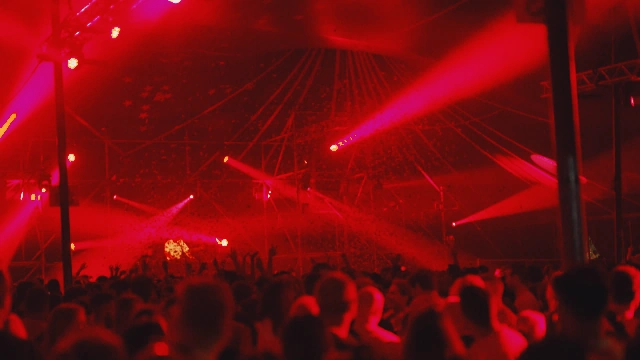
Ruby Afterhours
by @leo
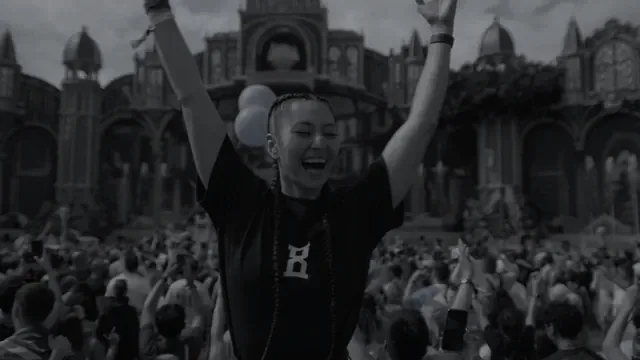
Warehouse Techno Vault
by @leo
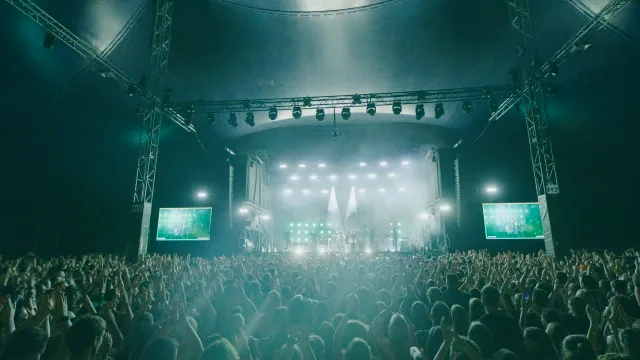
Raw green purple techno style
by @julespeeters
Midnight Headliner
by @leo
More from Leo
Sony S-Log3 → Rec.709
by @leo
Apple Log → Rec.709
by @leo
Canon C-Log3 → Rec.709
by @leo
RED Log3G10 → Rec.709
by @leo
Browse by vibe
Move sideways through the catalog
How to install
Step-by-step for the app you edit in
Shooting or editing on mobile? Load .cube LUTs directly in Blackmagic Camera (iOS/Android), Panasonic Lumix Lab, or VN Video Editor.
Graded something with this look? Share the frame and say what you shot it on.
Sign in to comment