Neon & Vibrant Concert LUTs
Drop a neon look on a magenta mainstage wash and the wash barely moves. Everything else in the frame does: the haze, the crowd behind the barrier, the face inside the beam, the half of the shot the rig is not lighting. A saturated look has the least room to work where the color is already extreme, and the most room everywhere else. Pick one of these for what surrounds the beam, not for the beam.
Camera Base Conversions (CST)
Start from your camera's own log-to-Rec.709 conversion, then put a look on top.
6 LUTs
Page 1 of 1
Lagoon Static

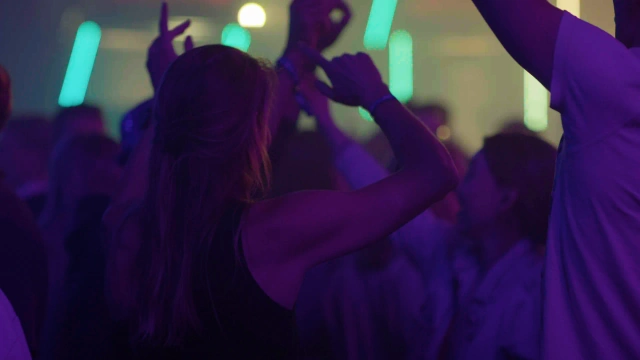
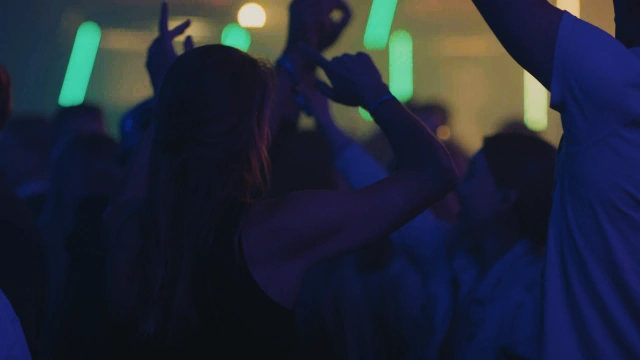
A nighttime stage look for footage already in Rec.709: deep lagoon-teal lasers and atmospheric wash, cool cyan accents, and warm bronze skin separation. 65-point lattice, Rec.709 in and Rec.709 out.

Live Stage Punch
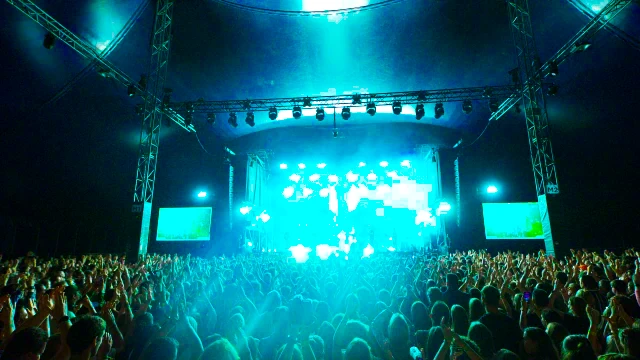
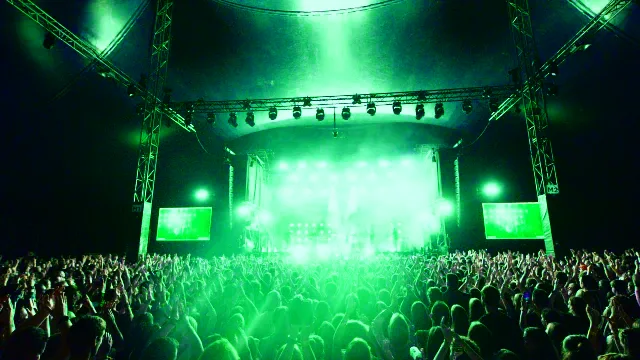
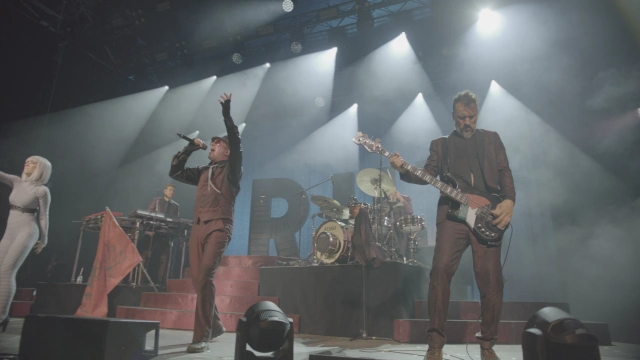
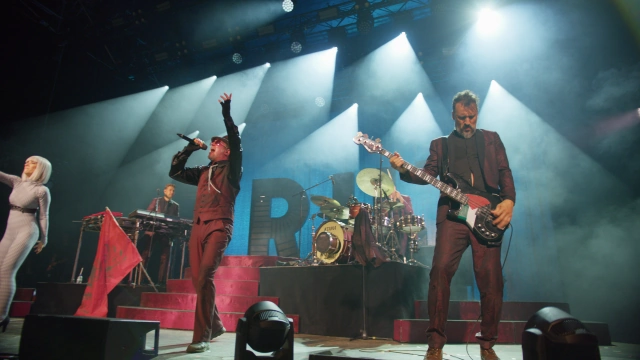
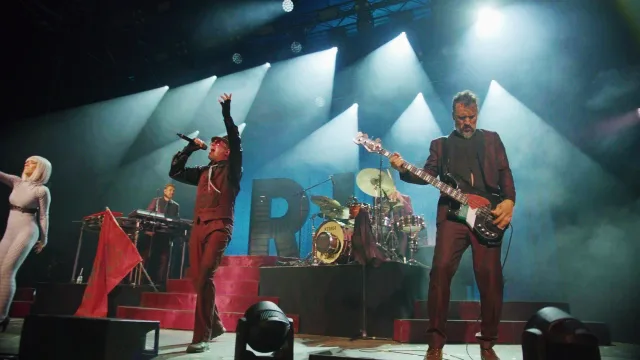
A punchy show LUT for Sony S-Log3 for live stage footage: rich reds and golds, steel-blue spots kept clean, white lights that stay white, and skin kept natural.
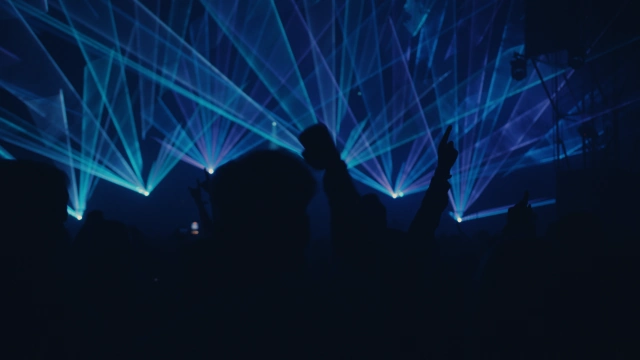
Midnight Headliner
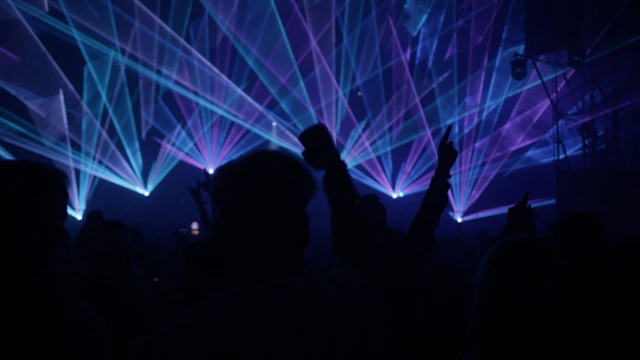
A night-show look for footage already in Rec.709: deep cobalt skies and stage light, warm bronze highlights and skin, and a harsh violet wash turned towards sapphire. 65-point lattice, Rec.709 in and Rec.709 out.
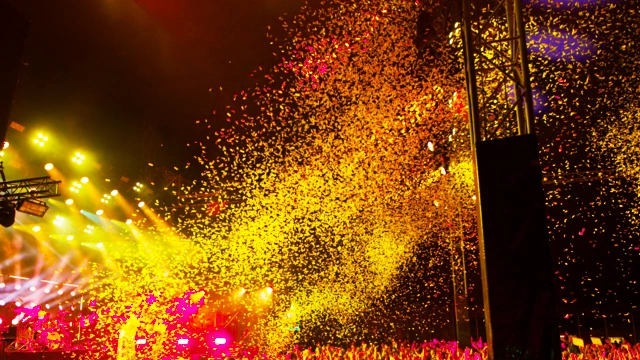
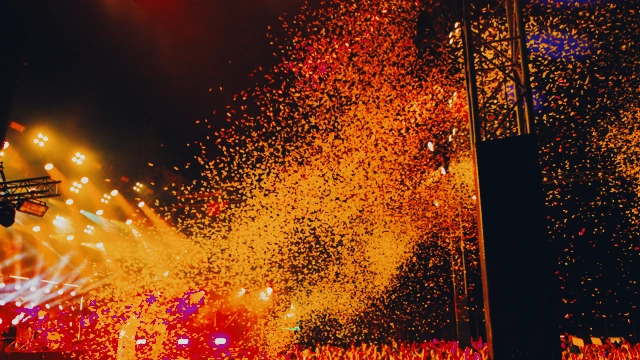
Scarlet Drop
A high-energy look for footage already in Rec.709: glossy vermilion reds for pyro, strobes and banners against a cool slate stage floor, with violet washes pulled towards sapphire. 65-point lattice, Rec.709 in and Rec.709 out.
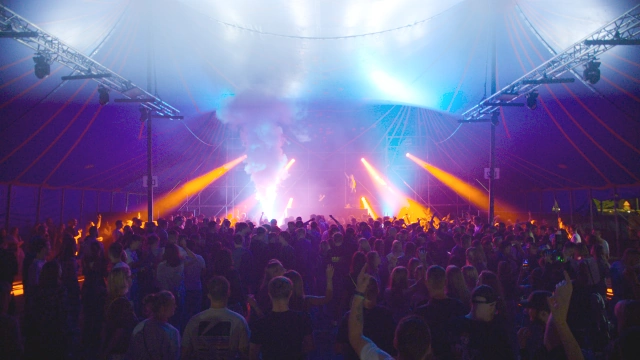
Neon Crowd Pop
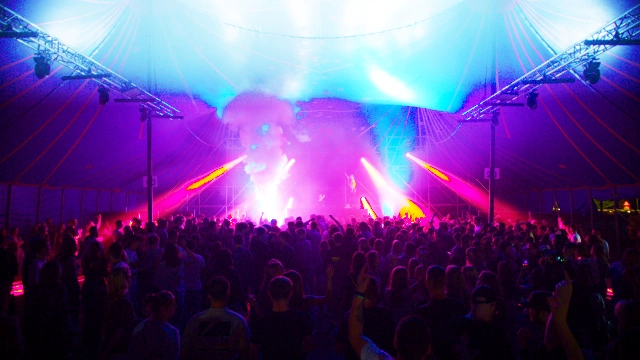
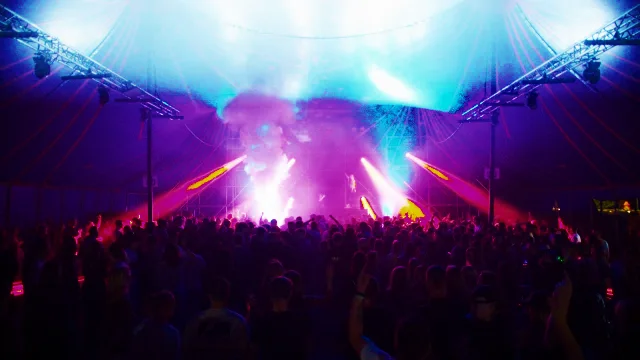
A vivid show LUT for Sony S-Log3 in LED tents and club stages: all six primaries kept apart and clean, with density so a saturated panel gets richer instead of clipping brighter.
The push lands where the rig did not
A saturated wash arrives at your look node with two channels high and one low. That is what makes it the color it is, and it is also why a look aimed at it has so little to work with: the closer a color already sits to the edge of the space it is being delivered in, the less room there is to push it further out. The push still comes out somewhere. It comes out wherever the three channels are still close together — haze, concrete, skin, the third of the frame the rig is not pointing at.
A neon look is mostly a look for everything except the beam. That is not a fault in the file, it is what is left to work on once the rig has supplied the color, and it is why two of these can be indistinguishable on a beam and completely different on the crowd behind it. Why the wash arrives with so little room above it is a gamut problem rather than an exposure one, and it has its own write-up: why stage lighting clips out of gamut.
Highlight clipping will not sort this shelf
You want the file that will not blow the beam, so you open a few pages and read the Highlight clipping row. It says yes on almost every one of them.
The row reads yes when any single one of twelve probe colors comes back with a channel at the top of the range, and three of the twelve are near-white before they ever enter the lattice. 163 of the 179 distinct .cube files behind this site trip it, counting every file among this site's uploads that profiles as a complete lattice on 23 September 2026. A reading that is on nine times out of ten ranks nothing. The Saturation row beside it at least gives you a percentage instead of a yes. After that it is your own frame: the Playground puts any file in the library on a reference still or a shot of yours with a waveform and a parade next to it, and the frame never leaves your machine. That is the only way to see what a file does to a beam arriving brighter and purer than any probe.
When the rig is already doing the work
Reach for one of these when the rig gives you a strong source and a lot of frame that is not lit by it: beams cutting through haze, a wall behind a crowd, structure at the edge of the shot. The look brings the rest of the frame up to the color the rig is already producing, and it has the room to do it.
It goes wrong on a wash that fills the frame edge to edge. There the push has nowhere to land except the faces inside the wash, and you spend the edit keying them back out. When the wash is the problem rather than the material, the shelf you want is Cold & Desaturated, which pulls against it, or Dark & Moody, which darkens around the beams instead of brightening into them.
Browse every vibe: Clean & Natural · Cold & Desaturated · Dark & Moody · Film Emulation · Log → Rec.709 Conversion · Neon & Vibrant · Warm & Golden