Glacier Hour
A crisp arctic winter look for footage already in Rec.709: icy blue-steel daylight, cool atmospheric haze, and protected warm skin tones that never turn muddy or pale. 65-point lattice, Rec.709 in and Rec.709 out.
Uploaded by  Leo @leo
· 25 downloads · ♥ saves
· Report
Your look is queued. Follow @festivalluts so you catch your tag if selected for our Friday Creator Spotlight.
See the Grade Live
Drag the slider to compare ungraded and graded footage, against the camera’s log or against the same frame in Rec.709. Reference frames are Log3G10 stills from live event footage.
Reference stills · RED KOMODO-X
Audition it on RED footage in the LUT Optimizer →
Try it on your footage
Drop in a still and see this LUT on your own frame. Your image stays in your browser — nothing is uploaded.
Field notes
What it does
Glacier Hour introduces a cool, biting arctic chill to winter day scenes without draining vitality from human subjects. High-key highlights and skies adopt an icy blue-steel luster, while delicate skin tones remain warm and radiant, avoiding the sickly green or ashen grey casts typical of aggressive winter grades. Snow, ice, and crisp mist retain clean tonal nuance.
Where it works
- Outdoor winter festivals, ski-resort raves, and chilly morning event setups
- Open-air golden hour transitioning into freezing dusk and polar twilight
- Daylight music video sequences needing a distinct, frosty seasonal mood
- Cold open-air stages with natural ambient light and low winter sun angles
How to use it
Place it downstream of your primary Rec.709 conversion. Ensure exposure is dialed in first; because Glacier Hour lifts contrast slightly in the highs, keep extreme highlights within legal range. Adjust overall strength using the key output slider if you want a softer seasonal tint.
On festival footage
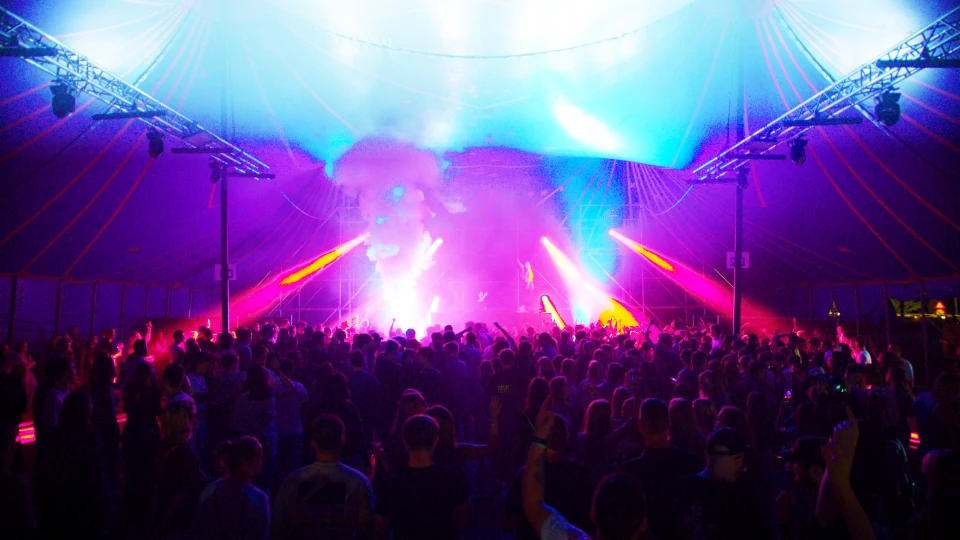
Glacier Hour on a real festival clip: bright icy stage haze and backlit performers. Drag the slider to compare the clip in Rec.709 with the look applied.
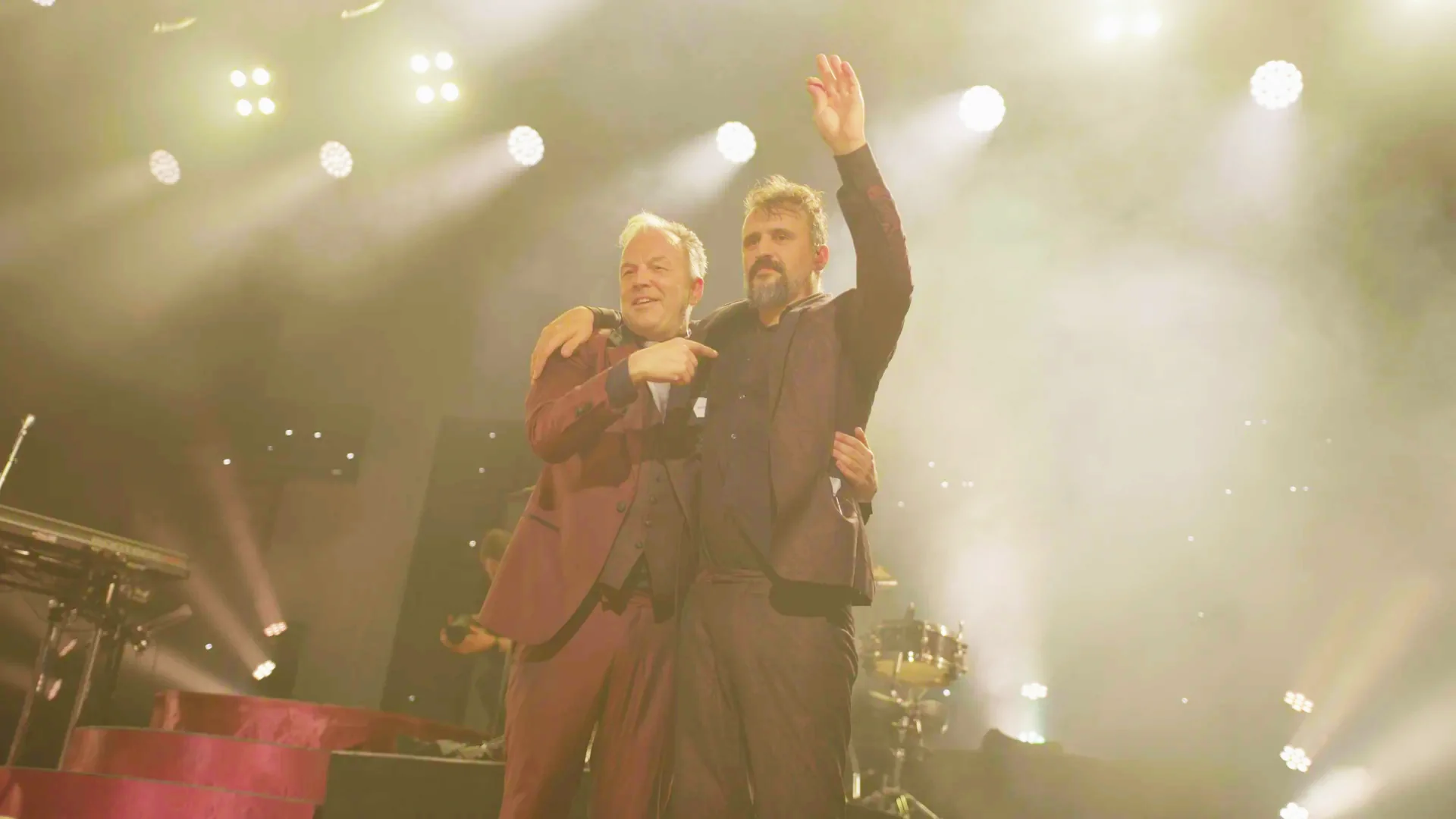
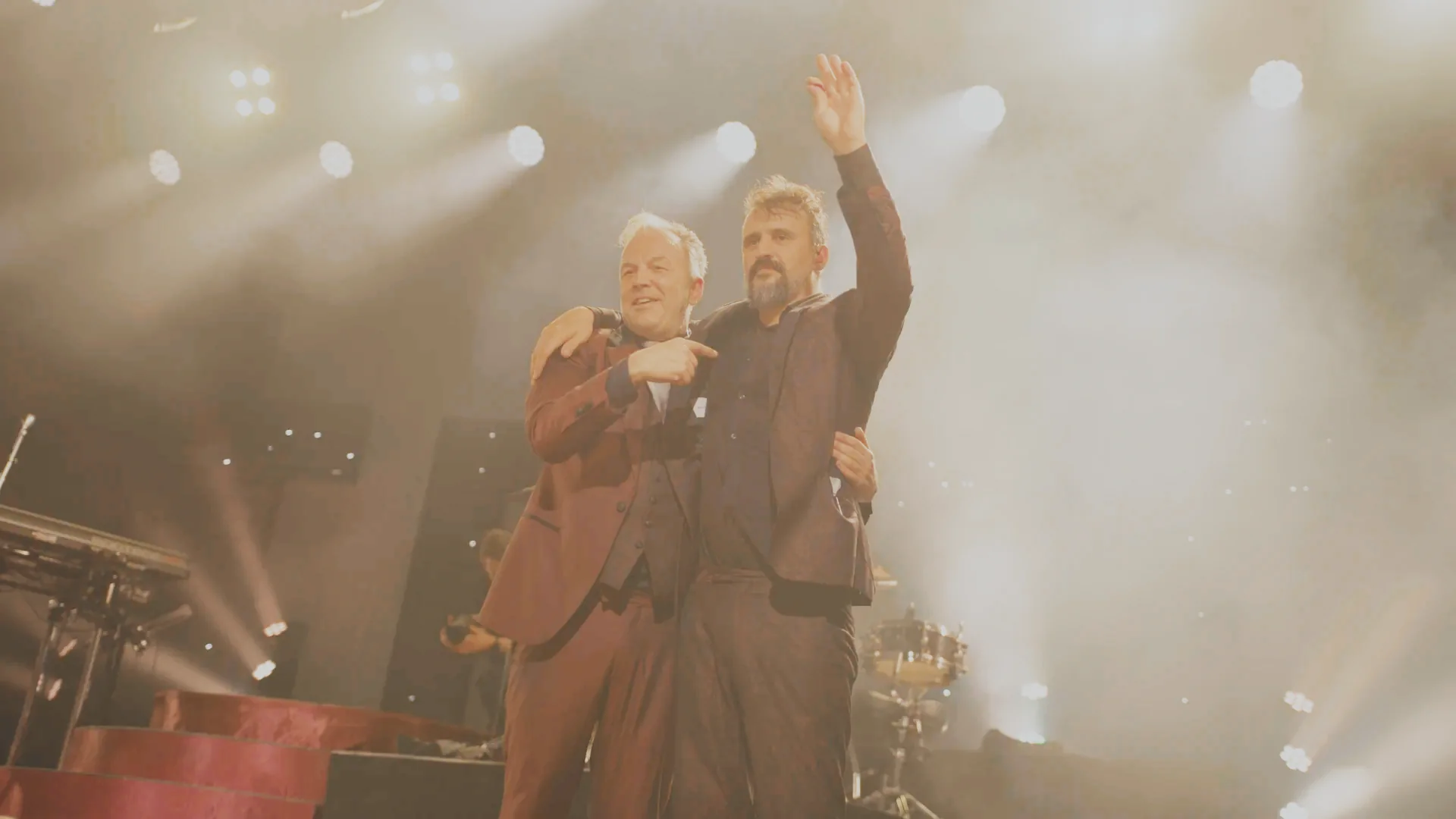
What this LUT does
Measured from the file itself: it leaves midtone contrast close to where it found it; pulls saturation down around 18%; lifts blacks to 8 IRE, so shadows sit milky rather than crushed; leans cool shadows, cool midtones.
| Lattice | 65×65×65 (274,625 points) |
|---|---|
| Midtone contrast | −1% against the input |
| Saturation | −18% on average across the primaries and secondaries |
| Black point | 8 IRE |
| Mid gray out | 50 IRE |
| Neutral cast | shadows cool, midtones cool |
| Highlight clipping | none in the probes tested |
How this was measured: a 21-step neutral ramp and nine saturated probes are pushed through the lattice and compared with what went in. Contrast is the slope between 35% and 65% input; saturation is the mean change in distance from the gray axis; the cast is the direction a neutral input comes out at three heights. Rec.709 luma throughout — the same coefficients the previewer uses, so these numbers describe the image in the slider above.
Creator
Leo  StaffOfficial FestivalLUTs staff. Only the people who run this site carry this badge. @leo
Master Colorist & Onsite DIT
On FestivalLUTs since November 2026
Tags
Community
Graded something with this look? Share a frame and say what you shot on, or ask the people who used it.
No comments yet. Start it off.
More like this
Other cold & desaturated LUTs and packs
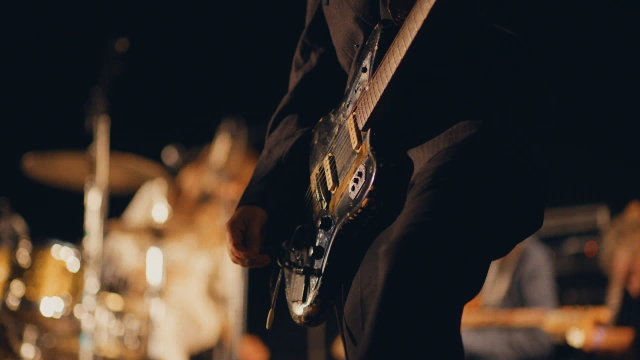
Silver Countdown
by @leo
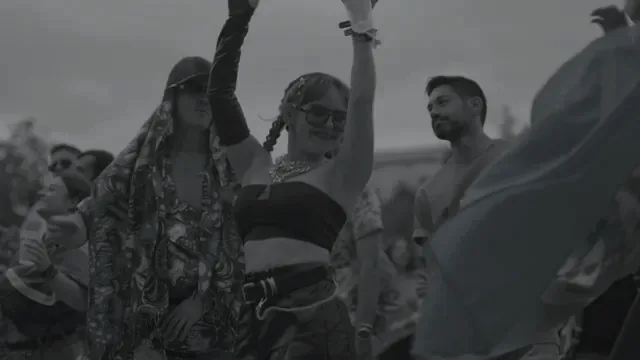
Deep Minimal Techno
by @leo
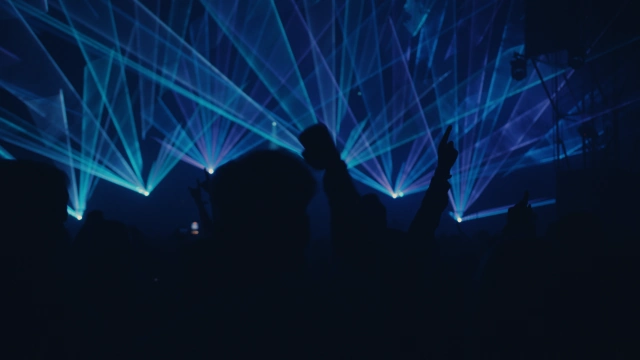
Midnight Headliner
by @leo
Titanium Rig
by @leo
Velvet Encore
by @leo
Scarlet Drop
by @leo
Solar Horizon
by @leo
Brass Daybreak
by @leo
More from Leo
Sony S-Log3 → Rec.709
by @leo
Apple Log → Rec.709
by @leo
Canon C-Log3 → Rec.709
by @leo
RED Log3G10 → Rec.709
by @leo
Browse by vibe
Move sideways through the catalog
How to install
Step-by-step for the app you edit in
Shooting or editing on mobile? Load .cube LUTs directly in Blackmagic Camera (iOS/Android), Panasonic Lumix Lab, or VN Video Editor.
Graded something with this look? Share the frame and say what you shot it on.
Sign in to comment